
The rapid growth of electric vehicles, energy storage, and electrification is driving unprecedented demand for battery materials in the United States. At the same time, supply chain constraints, geopolitical risk, and sustainability concerns have underscored the importance of building a resilient, domestic battery ecosystem. Addressing these challenges will require new approaches that connect materials, manufacturing, and end-of-life recovery in a more integrated way.
That is the context behind the recently announced proposed strategic collaboration between Aqua Metals and American Battery Factory. The collaboration is intended to explore opportunities to align recycled battery materials with domestic battery cell manufacturing, supporting the development of a more secure and sustainable U.S.-based battery supply chain.
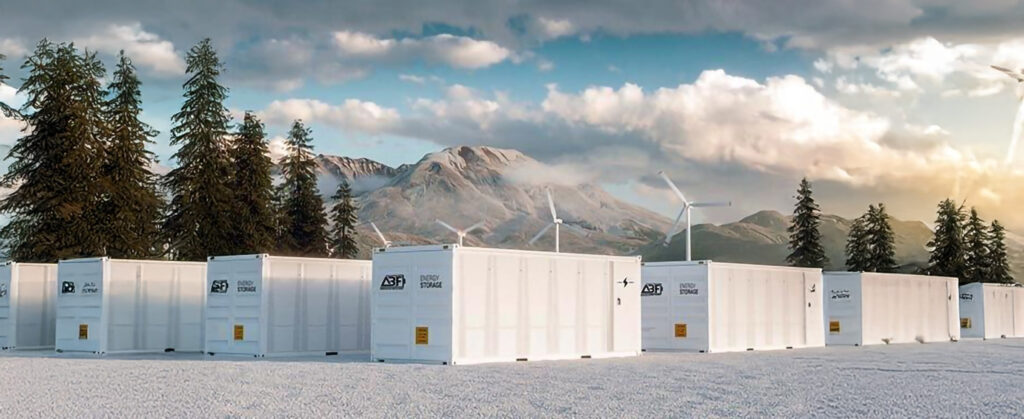
Today, much of the world’s battery material processing and cell manufacturing capacity remains concentrated overseas. This has created exposure to supply disruptions, cost volatility, and environmental tradeoffs that are increasingly difficult to reconcile with long-term energy and climate goals. At the same time, the volume of end-of-life lithium-ion batteries is growing rapidly, creating both a challenge and an opportunity. Recovering critical materials from used batteries and reintegrating them into new products can reduce reliance on imported raw materials while lowering the environmental footprint of battery production.
Aqua Metals’ AquaRefining™ process is designed to recover battery-grade lithium carbonate, nickel, and cobalt from spent lithium-ion batteries using a low-carbon, electrochemical approach. American Battery Factory is focused on building domestic cell manufacturing capabilities to support energy storage and electrification markets. Together, the companies aim to explore how recycled materials can be more closely connected to downstream cell production, helping close the loop within the battery value chain.
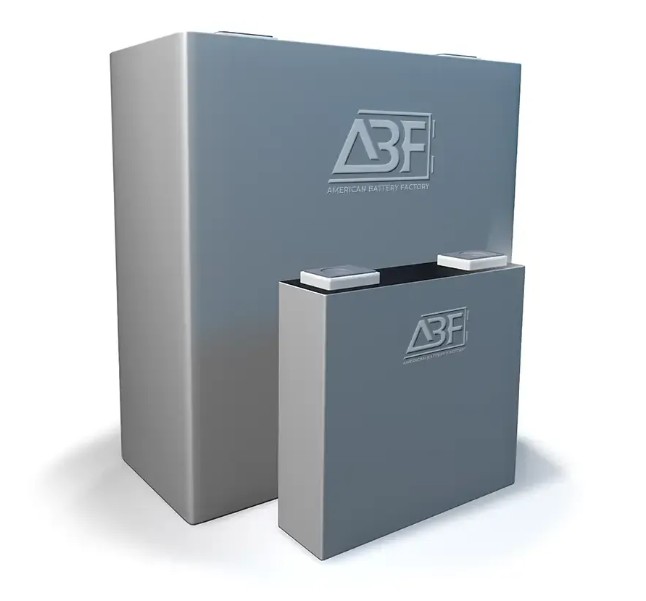
The proposed collaboration reflects a broader shift underway across the energy storage industry. As demand accelerates, manufacturers, recyclers, and policymakers are increasingly focused on building vertically aligned supply chains that prioritize domestic production, sustainability, and long-term scalability. Connecting recycling with cell manufacturing has the potential to reduce lifecycle emissions, improve supply security, and create a more resilient foundation for future growth.
Importantly, the collaboration remains exploratory and subject to further evaluation. However, it signals growing momentum toward a battery ecosystem that treats materials recovery as a core component of energy infrastructure, not an afterthought. By strengthening linkages between end-of-life batteries and new production, the industry can move closer to a true circular economy for critical energy materials.
As electrification continues to expand across transportation, grid infrastructure, and distributed energy systems, collaborations like this highlight the role that innovation and partnership will play in shaping the next generation of the U.S. battery supply chain.
Read our press release here.
